
New! how to buy the best quality swimwear from the markets Available Now
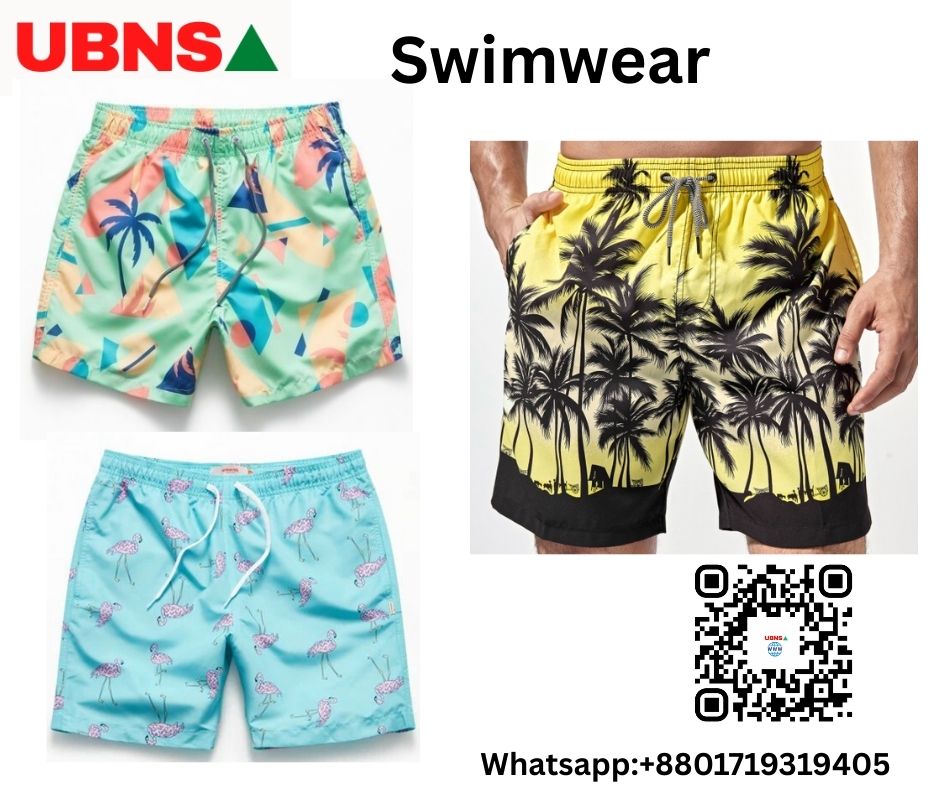
Fashion trends are rapidly changing & nowadays, swimwear demand is very fast. A lot of brand is selling the top quality products. New design, print & texture is moving fast. So it is difficult to find out which quality is best for you. The brand name can not give you the best quality. But here are some tips that help to find out excellent products. 1. The Fabric “Hand-Feel” and Composition The fabric quality is the most important for the best quality swimwear Check the Label: Before buy look for a fabric blend of 80–90% Nylon (or Polyamide) and 10–20% Spandex (or Lycra/Elastane). Less than 10% spandex quality, which does not give you the best shape quickly. The Weight: The weight is the most important for high-quality fabric, which has a given dense, slightly heavy feel. The thin quality swimwear feels matched with a standard T-shirt. It will likely become transparent and saggy once wet. Speciality Fabrics: If you swim in pools or the seabeach often, it should be chlorine-resistant. 2. The “Stretch and Snap” Test The snap test is the most important test for swimwear. Four-Way Stretch: The four-way stretch is more popular for swimwear. When you pull the fabric horizontally & vertically, then the stretch is the same way. The quality swimwear must stretch significantly like this. The Recovery: The stretch recovery is most important to stretch firmly and release it. It should snap back to its original shape instantly. The Sound: When you wear & stretch, listen closely. If you hear tiny “pops” or cracking sounds. The thread is breaking, or the elastic is dry-rotted. Put it back. 3. Inspect the Construction The fabric construction is also important to give the actual swimwear feel. Full Lining: A high-quality suit is almost always fully lined (front and back). Cheap suits often only line the crotch or the front panel. Lining adds durability, prevents transparency, and helps the suit hold its shape. Stitch Density: This is one of the most important zigzag or overlock stitches. These are designed to stretch with the fabric. Count the stitches in an inch; they should be tight and consistent. If you see gaps or single-row straight stitches, the seams will likely burst under pressure. Flatlock Seams: The flatlock seams give you an extra soft feel when you wear it. This prevents chafing and is much stronger. 4. Hardware and Details The use of trims is essential for a comfortable feel. Metal vs. Plastic: Look for metal clasps or adjusters, which are usually coated in enamel or gold-toned. These are far more durable than plastic ones, which can snap in the sun or under the heat of a dryer. Symmetry: Fold the suit in half vertically. The leg holes, straps, and patterns should align perfectly. If one side is even slightly longer than the other, it will fit awkwardly. 5. The Light Test (For Opacity) Before buying & think that market lighting can be misleading. The Test: Hold the fabric up against a bright light or the sun. If you can clearly see the shape of your hand through both layers (fabric + lining), the suit will be see-through the moment it hits the water. A dense knit should block most of the light. Summary Quality Checklist Feature High Quality, Spandex %, 15% to 20%, Lining-Fully lined (Front & Back), Seams-Double-stitched or Flatlock, Hardware-Coated metal, Stretch-Snaps back instantly Low Quality, Spandex %, 5% to 8%, Lining-Partially or not lined, Seams-Single-stitched, Hardware-Flimsy plastic, Stretch-Stays slightly stretched
“Put Your Best Foot Forward (In Better Socks).”
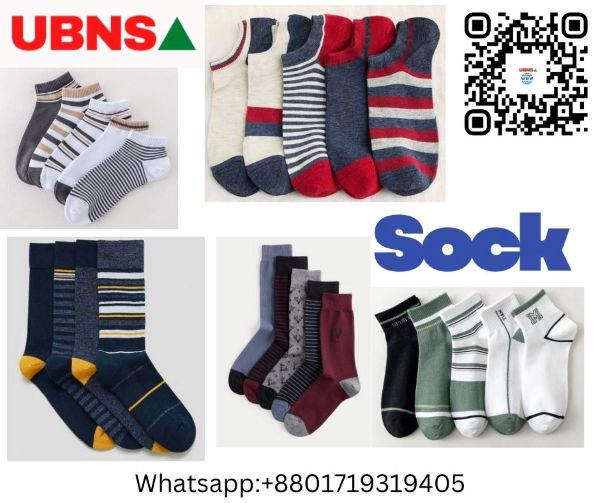
The socks are very important in our daily life. It is a very simple accessory, but play a vital role. It is maintaining health and overall physical well-being. Improving sleep quality, preventing infections, and more benefits come from using the socks. Infection and Odour Prevention The primary act of defense the dark, damp environment inside your shoes. Also, it is a breeding ground for bacteria and fungi. Moisture Control: The main point is control the moisture. A human being’s feet have approximately 250,000 sweat glands. The socks are made of cotton, wool or bamboo of breathable materials. The wick away sweat, preventing the moisture build-up that leads to Athlete’s foot and fungal nail infections. Bacteria Shield: Sometimes, by absorbing sweat and dead skin cells, socks prevent these from being trapped in the lining of your shoes, which is the leading cause of persistent foot odour. Physical Protection and Comfort The physical protection of the foot is essential for comfort. The friction between skin and footwear can lead to painful injuries. Blister Prevention: It provides a protective layer that reduces friction. This is especially important during exercise, at school, in the office, or when breaking in new shoes. Cushioning: Many socks feature padded heels and toes that absorb impact, reducing the strain on your joints and preventing calluses or plantar fasciitis symptoms. Injury Barrier: For diabetes patience to protect the foot is very important. Here, wearing socks is critical. Because diabetes can cause reduced sensation in the feet, socks provide a vital layer of protection against minor cuts. It could go unnoticed and lead to serious infections. Improved Blood Circulation Special quality socks can actively help your blood move more efficiently through your body. It is especially true if you use specialised types. Temperature Regulation: It always keeps your feet warm helps dilate blood vessels, which improves overall circulation in your body. Compression Benefits: It is general. The compression socks apply gentle pressure to the legs. It prevents blood from pooling in the lower extremities, reduces swelling and lowers the risk of Deep Vein Thrombosis during long flights or periods of sitting. Better Sleep Quality Some brands make special quality socks, and wearing socks to bed may actually help you fall asleep faster. This process is called distal vasodilation: Core Cooling: When socks warm up your feet, the blood vessels in your feet increase. This kind of signal to your brain that it’s time to forward heat from your core to your skin, lowering your internal body temperature and activating the sleep cycle. Condition Management: Sleeping in socks can also reduce the severity of disease attacks and may even help manage night sweats or hot flashes during crucial. Tips for Maximising Health Benefits To keep your choice to get out of your socks, keep these simple rules in mind: Choose Natural Fibers: Before buying socks, like wool, cotton, or bamboo. Synthetic materials of polyester often trap heat and moisture, increasing the risk of infection. Change Daily: Pls do not wear the same pair two days in a row, as trapped bacteria need time to clear. The Right Fit: Fit is very important so that they aren’t too tight; elastic that leaves a deep “ring” around your ankle can actually restrict circulation rather than help it. High-Volume “Power” Keywords These are broad terms with the highest monthly search volume keyword here below. They are very competitive but essential for general visibility. It will be very helpful for you to buy your goods quality socks for searching the brands and markets. Compression socks-Highest overall search volume for health/travel. Custom socks Top for personalised gifts and branding. Crew socks are currently the trending “style” keyword for 2025. Athletic socks is specifically “performance” and “moisture-wicking”. Wool socks are dominant in winter/outdoor categories. Functional & Performance Keywords If you want to function & performance socks than usually have a specific problem to solve with the below keyword. Moisture-wicking socks, Grip socks (Highly searched for Pilates, Yoga, and soccer), Anti-blister running socks, Arch support socks, Diabetic socks (High intent for medical/comfort), Seamless toe socks (Common for sensory sensitivity or comfort)3. Style & Trend Keywords (2025 Focus) According to 2025 fashion forecasts, “invisible” socks are trending down, while visible socks are trending up. Slouchy socks (Returning ’80s/’90s aesthetic), Ribbed crew socks (The “standard” look for sneakers), Novelty socks (Funny, food-themed, or animal prints), Sheer fashion socks (Trending for spring/summer with heels or loafers), Knee-high socks (Gaining traction in streetwear) Sustainable & Material-Based Keywords Eco-conscious searching is at an all-time high in the apparel industry. Bamboo socks (Top searched for breathability/sustainability), Merino wool hiking socks, Organic cotton socks, Recycled fiber socks, Cashmere bed socks (Luxury/gift niche) Gift & Occasion Keywords These are “long-tail” keywords that often lead to the highest conversion rates for sellers. Personalized socks with face (Huge for pet owners and weddings), “If you can read this” socks (A classic novelty search), Groomsmen socks, Matching family Christmas socks, Socks gift box for men/women,
Never Before Heard of how to buy the best quality underwear from top brand Tips.
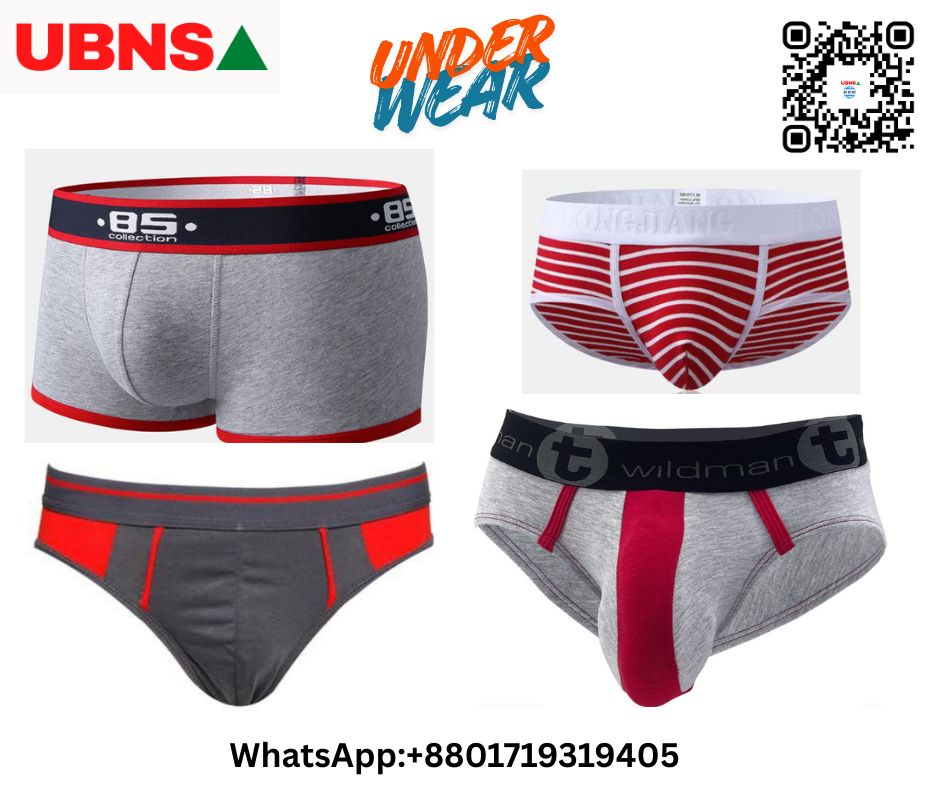
5 Things You Should Know About how to buy the best quality underwear from top brand There are so many top-quality underwear brands in the global markets. So it is difficult to find out to choose the actual quality brand. The quality products always maintain some specific indicators of using the premium materials & craftsmanship. Here are some tips & guide to choosing the highest quality products based on fabric, construction, and lifestyle. Prioritise High-End Fabrics Fabrics are the main key to achieving the best quality attire. The top brand is always followed by a premium yarn. And texture follows the textile used. Typically, top brands use the best workmanship & materials. The “best” brand name matters less than the textile used. Top brands typically use these premium materials: MicroModal / Tencel: This quality yarn comes from the beech trees. This quality is standard for luxury. It is softer than cotton & resists shrinking. After fifty times washing, that will remain the same quality. Supima or Swiss Cotton: If you prefer cotton, here is a fact about long-staple & short-staple fibre. Standard cotton fibres are short and break easily, which causes pilling. But long-staple fibres are smoother, stronger, and more breathable. Merino Wool: This quality yarn is best for travel. This gives us high-end performance. It is naturally antimicrobial with no odour. This is a better synthetic for temperature. Performance Synthetics: For sports and gym, it is best to use nylon/Spandex blends rather than polyester. Nylon is more durable, and it looks and feels cooler. It is good for the shape to hold Evaluate Construction Details The high-quality brand always maintains the best quality materials. Sometimes, the seams and waistband quality technique. Flatlock Seams: The seam quality is very important. Flatlock seams use underwear that lies level against the skin to prevent abrasion. If your underwear looks bulky, raised seams than quality is poor. The “Pouch” Design: The pouch is very important for premium quality products. High-brand follows the design of 3D ergonomic pouches to keep “the cargo” away from your thighs. This kind of design prevents heat buildup and sticking. Stay-Put Waistbands: This is most important for underwear. It is looking for “anti-roll” waistbands. High-quality elastic is luxurious on the inside and has enough retention to return to its original shape without losing tension over time. Seamless Backs: Cheap quality brands use a centre back seam that can “ride up.” Quality brands use a seamless back or a “U-panel” for a smoother fit. Best Brands by Category Category Top Recommended Brands Why They Excel Pure Luxury Hanro, Sunspel, Tani Use the world’s finest cottons (Sea Island) and MicroModal Air. Daily Support Saxx, Tommy John, Mack Weldon Innovative pouch designs and specialised “stay-tucked” fits. Performance Lululemon, Smartwool, Under Armour Superior moisture-wicking and odour-resistant technology. Classic Heritage Calvin Klein (Premium lines), Ralph Lauren Reliable fits and iconic style, but stick to their “Stretch” or “Modal” lines. Quick Quality Checklist Before you buy, check the “Tech Specs” or the physical tag: Does it have at least 5-10% Elastane/Spandex? It is important to essential for shape retention. Is the cotton “Combed” or “Supima”? It is a fact of softness and indicates durability. Is it tagless? The high-end brands almost always print labels directly on the fabric. What is the “GSM” or Weight? The weight is important to use of human being for comfortable. The premium everyday underwear should feel lightweight but not “see-through” thin. We recommend that when you compare with the two top brands in terms of quality, you will understand the best style, design, texture and usage activity. Note: We have given more keywords below for finding your best quality products. Organic cotton underwear, Bamboo underwear for men, Eco-friendly lingerie, Recycled nylon briefs, Biodegradable underwear.Moisture-wicking boxer briefs, Antimicrobial underwear, Thermoregulating fabric, Anti-chafing underwear, Gym underwear for men. Period underwear (leakproof), Postpartum underwear, Maternity underwear, Adaptive underwear for disabilities, Menopause cooling underwear. Quiet luxury underwear, Minimalist lingerie, Retro high-waisted briefs, Gender-neutral underwear, Seamless thongs for leggings.Ballpark pouch underwear, Horizontal fly boxer briefs, U-pouch briefs, Micromodal boxer briefs, Long leg boxer briefs, Trunks vs Boxer Briefs.Calvin Klein, Tommy John, Saxx, Mack Weldon, MeUndies, CDLP.VPL-free underwear, Tummy control panties, Lace bralette sets, Invisible thong, Cotton bikini underwear pack, Boyshorts for women.
How To Choose The Best Quality & Buy The Hat Cap.
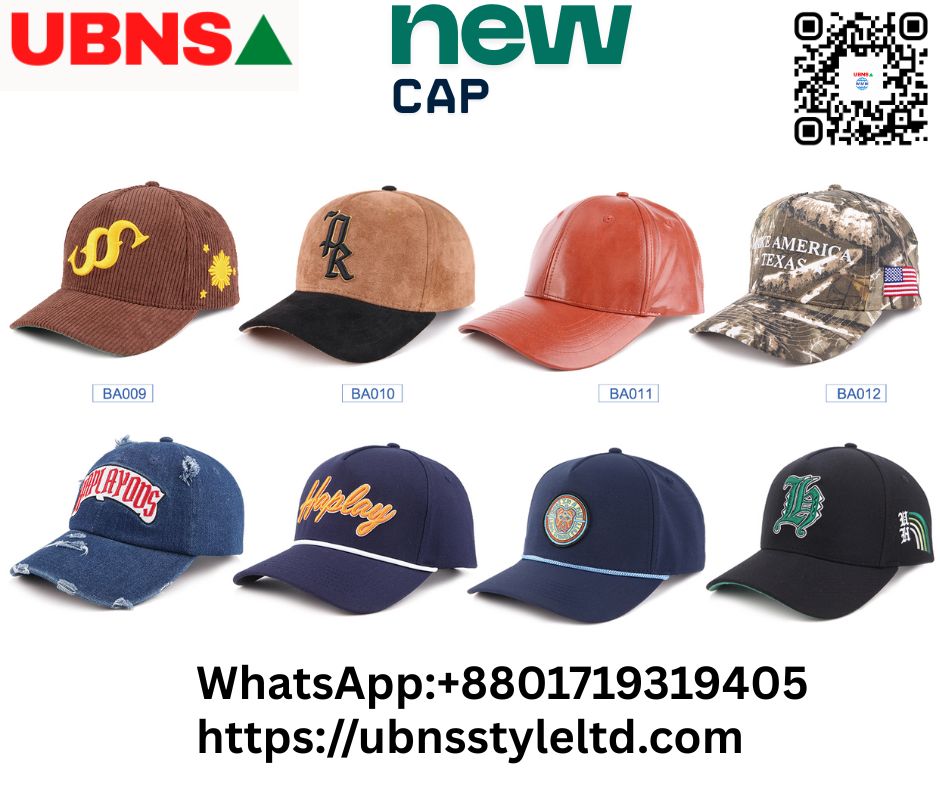
Choose your high-quality cap. Evaluating several key factors, like as the materials, construction, fit and future use. Here are some tips and ideas on how to buy the best quality cap. Material Matters The cap’s material is the main significantly affects its comfort, durability, and suitability for different conditions, cultures and fashion trends. Material Key Features Best For Cotton (especially Twill) Soft, breathable, comfortable for everyday wear. Casual, everyday use, warm weather. Polyester Durable, lightweight, moisture-wicking, quick-drying, colorfast. Sports, active wear, humid weather. Wool Warm, durable, retains shape, classic look, naturally moisture-wicking. Colder weather, premium/structured styles. Nylon Lightweight, durable, water-resistant, quick-drying. Outdoor activities, wet conditions. Blends (e.g., Cotton-Poly) Combines the best features (e.g., softness of cotton, durability of poly). Versatile, everyday use, team caps. Mesh (usually polyester) Excellent ventilation and breathability (often used in the back of Trucker caps). Very hot weather, high-intensity activity. Quality Check Before Buy: Before buying the cap pls, check the look for thick, durable fabrics like cotton twill or high-grade, technical polyester/nylon etc. Construction and Craftsmanship The overview is a primary indicator of longevity, design, texture and quality. Stitching: The stitch quality is the main factor. It should be clean, straight and have reinforced seams with no loose threads. High-quality caps always maintain a dense, even stitch count. Panels: The traditional caps are five or six panels. Whereas most baseball caps have five or six panels. while five-panel caps have a seamless front panel, often preferred for large graphics. Buckram/Structure: Structured caps have a stiff liner in the front two panels to help the crown maintain a firm, defined shape. Unstructured caps have no buckram, giving them a relaxed, soft, and casual look. Quality caps use a durable plastic or stiff fabric core for structure, not flimsy cardboard. Visor/Brim: Core Material: A quality visor will have a durable plastic core that holds its shape and can withstand being flexed without breaking or creasing badly. Underbrim: A darker, matte color on the underside of the brim helps reduce sun glare. Fit and Comfort Features A great quality cap should feel good and relaxed, fit well for all-day wear. Size/Fit Type: Fitted: The specific head sizes are 7, 7 1/8, etc.). It gives the sleekest, most professional fit. But requires knowing your exact size. Adjustable: Features a closure at the back of the Strapback is often considered more durable than a standard plastic Snapback. Sweatband: The inner band where the cap meets your forehead is crucial. High-quality caps often use moisture-wicking materials here to draw sweat away and keep you comfortable. Ventilation: Look for well-made eyelets with small holes, often reinforced with metal or stitching. or mesh panels for airflow, especially for warmer climates. Other Considerations Brand Reputation: Most of the well-established brands known for headwear or sports apparel often have a reliable standard of construction. Check customer reviews. Purpose: For Sport/Athletics: Look for polyester, nylon, or technical fabrics that are moisture-wicking and quick-drying. For Sun Protection: Look for wider brims and fabric with a UPF (Ultraviolet Protection Factor) rating. For Fashion/Casual: Cotton twill, wool, or high-end materials that match your personal style and wardrobe. Aesthetics: Ensure the cap’s style (Snapback, Fitted, Trucker, Dad Hat, etc.) and colour/design complement your personal style and face shape. By checking these factors—the fabric, the quality of the stitching and visor, and the comfort features—you can confidently select a cap that is both stylish and built to last.
5 Steps Beyond the Gym: Activewear That Elevates Your Every Day.

Any sportswear is called activewear. It refers to clothing for running, moving for physical activity, and sports. Its main functions are comfort and flexibility. Also, they often utilize moisture-wicking, breathable fabrics like nylon, spandex, and polyester. Activewear can cover a wide range of attire. Such as sports shorts, bras, leggings, hoodies, etc. Nowadays, there is an increasing popularity for casual wear or workwear. Currently, People are very much conscious of their health and fitness. So, it is a powerful product for comfort & sports activities. The style and performance look attractive. And seamlessly integrating into our daily lives. Step 1: Hold the Power of Methodological Fabrics: The uniqueness of modern fabrics is tricky for activewear. Elsewhere, aesthetics and the assistance of yarn materials offer tangible benefits for everyday wear. Moisture-Wicking: The fashion trends fully change so that people say goodbye to discomfort. A variety of fabrics like polyester, spandex, nylon, and blends are designed to pull sweat away from your surface body. The skin keeps you dry and fresh. Whether you’re commuting, running errands, or simply steering a humid day. Breathability: Light with shiny fabrics and airy fabrics to prevent overheating. It is making them ideal for long hours of wear. Sometimes used for mesh panels or laser-cut details for enhanced airflow. Stretch & Recovery: Textile innovation is four-way stretch, allowing for unrestricted movement. which is essential for busy days. High-quality activewear fabric maintains its shape. Similarly, preventing drooping or bagging even after extended wear. Odour Resistance: Many activewear pieces are designed with antimicrobial technologies. A godsend for staying fresh throughout a long day of various activities. Solution: We recommend here of priorities activewear pieces made from high-performance technical fabrics. Before buying to check product descriptions properly. Like “moisture-wicking,” “breathable,” and “four-way stretch.” This foundation info assists you in ensuring comfort and functionality for any activity. Step 2: Tactical Layering is the Art of Principle: The layering of the main fact for cold. It is not just for cold weather but also the key factor in the strategy of versatile and stylish everyday wear. It can also keep the temperature quick and normal and create a more elegant look. Base Layer: It starts with a comfortable, moisture-wicking top. Like a t-shirt, tank, or long-sleeved shirt. Mid-Layer: Sometimes add a light jacket, hoodie, or a stylish activewear-inspired blazer. It adds to warmth and a touch of sartorial flair. Outer Layer: For a whole-day cooler or a more organized look, reflect a trench coat, a denim jacket, or a performance-oriented globefish. Solution: Layering experiment with your activewear. Pair a glossy pair of leggings with an oversized knit sweater. It can be thrown a tailored blazer over a performance t-shirt. This kind of adds depth and transforms athletic pieces into fashion announcements. Step 3: Advance in Versatile & Stylish Pieces: The key to activewear for the gym. It works beyond selecting pieces that are inherently versatile and aesthetically attractive. Look for clean lines, sophisticated colours, and subtle branding. Leggings & Joggers: Nowadays, these items products for high-waisted, well-fitting leggings in solid colours. Most of favourite colours are black, navy, grey, and olive or subtle patterns. Joggers in similar types offer a relaxed yet put-together alternative. Stylish Tops: Elsewhere, basic tees are considered activewear tops. It is interesting necklines, thoughtful details or unique cuts. Outerwear: The great performance-oriented hoodies and lightweight jackets. Even activewear-inspired blazers can easily transition from a workout. Footwear: White-colored sneakers, stylish trainers, or even sleek slip-ons can match activewear. while maintaining a polished look. Solution: A collection of activewear dresses that could easily be worn as fashionable casual wear. Think outside flashy symbols and fluorescent colours. And focusing on minimalist designs and versatile shades. Step 4: Accessories & Trim Thoughtfully: Accessories & trims are your top-secret defence for uplifting activewear. Which is purely athletic to effortlessly chic. It can promptly transform your look into an elegant one and add a personal touch. Bags: Exchange your gym duffel for a stylish cross-body bag, a sleek backpack, or a structured tote bag that matches with activewear. Headwear: A stylish baseball cap, a beany, or a stylish headband can complete your look differently. Eyewear: Sunglasses not only protect your eyes but also help keep you cool. Solution: The necessity of accessories. A few decorative, well-chosen pieces can bridge the gap between activewear and everyday fashion. Also, making your outfit feel more intentional and less like you just left the gym. Step 5: Prioritise Ease & Self-confidence: Eventually, the goal is to integrate activewear into your everyday life. Which is to feel comfortable and confident. When you feel good & get the benefits of wearing, it shows. Fit is Royal: This item ensures it fits well. Too tight or too loose can hamper comfort and cut your look. Personal Style: It also begins with your steps, offering guidance, and always lets your style shine through. Choose fragrances and blends that resonate with you. Occasion Appropriate: Fashion trends in activewear are versatile; consider the specific occasion also. But here is the confusion: a full athletic outfit might not be suitable for a formal business meeting. But here, a blend of activewear with more traditional pieces can often work. Solution: We recommend you & guide you to wear activewear with confidence. When you feel comfortable and stylish in your clothes, it will change your mind with empowerment. Then you can tackle your day with ease. And no matter what it holds. Embrace the blend of functionality and fashion that activewear offers. And enjoy the elevated comfort it brings to your everyday.
Beyond the Gym: Activewear That Elevates Your Every Day.

Any sportswear is called activewear. It refers to clothing for running, moving for physical activity, and sports. Its main functions are comfort and flexibility. Also, they often utilize moisture-wicking, breathable fabrics like nylon, spandex, and polyester. Activewear can cover a wide range of attire. Such as sports shorts, bras, leggings, hoodies, etc. Nowadays, there is an increasing popularity for casual wear or workwear. Currently, people are very much conscious of their health and fitness. So, it is a powerful product for comfort & sports activities. The style and performance look attractive. And seamlessly integrating into our daily lives. Hold the Power of Methodological Fabrics The uniqueness of the modern fabrics is tricky for activewear. Elsewhere, aesthetics, the assistance of yarn materials offers tangible benefits for everyday wear. .Moisture-Wicking: The fashion trends fully change so that people say goodbye to discomfort. A variety of fabrics like polyester, spandex, nylon, and blends are designed to pull sweat away from your surface body. The skin keeps you dry and fresh. Whether you’re commuting, running errands, or simply steering a humid day.Breathability: Light with shiny fabrics, and airy fabrics prevent overheating. It is making them ideal for long hours of wear. Sometimes used for mesh panels or laser-cut details for enhanced airflow.Stretch & Recovery: Textile innovation is four-way stretch allows for unrestricted movement, which is essential for busy days. High-quality activewear fabric maintains its shape. Similarly, preventing drooping or bagging even after extended wear.Odour Resistance: Many activewear pieces are designed with antimicrobial technologies. A godsend for staying fresh throughout a long day of various activities.Solution: We recommend here a priority of activewear pieces made from high-performance technical fabrics. Before buying, check product descriptions properly for terms like “moisture-wicking,” “breathable,” and “four-way stretch.” This foundation info assists you in ensuring comfort and functionality for any activity.
Classic Types of Jackets: A Guide to Jacket Styles

The classic types are always in demand in the fashion markets. We are explaining regarding the classic jackets. How to guide and define your latest products that remain popular for their functionality, style and versatility. Here’s a guide to some classic types of jackets: Classic Types of Jackets: A Guide to Timeless Styles Nowadays, jackets are more fashionable outerwear. The global weather is continuously changing, which also changes the fashion demand. Now it is an essential part of personal style, offering both protection from the elements and a significant fashion statement. Fashion always comes and goes, but classic status keeps the same fashion of jackets. It is proving its enduring appeal through decades, sometimes even centuries. It has a versatile design and quality craftsmanship. And the ability to seamlessly integrate into various wardrobes. Here’s a look at some of the most iconic and classic jacket types: The Denim Jacket. Origins: The origins of denim jackets date back to the late 19th century. The denim jacket was initially workwear for the workplace. It has been popularised by Levi Strauss & Co. Key Features: Naturally made from durable denim fabric. It features a button-front closure, two chest pockets (often with flaps), and sometimes side pockets. The outcome comes in various washes, from raw indigo to faded light blue. Why it’s Classic: It’s due to rugged durability & casual cool aesthetic. Also, the ability to dress up or down. It’s a staple for all seasons, times and genders. Styling: It can easily match & perfect over a t-shirt, hoodie, or even a dress. Great for layering with any dress. The Leather Jacket Origins: The early 20th century, primarily for pilots and motorcyclists, who valued its protection and warmth. Key Features: Now, an innovation in leather in the markets. The looks of colour and durability is made from various types of leather. Like cowhide, lambskin, etc. The styles vary greatly, but common classics include: Biker/Motorcycle Jacket: Asymmetrical zipper, wide lapels, snaps, epaulettes, and often a belted waist. Bomber Jacket: Now this quality fashion demands ribbed cuffs and hem, front zipper, and often a stand-up collar. Racer Jacket: The global trends are changing rapidly. So here is a minimalist, stand collar, straight zipper. Why it’s Classic: Its outlook is very nice. It can have a timeless cool factor and the ability to age beautifully. A symbol of showing effortless style. Styling: The designer is creating the adds instant edge to any outfit, from jeans and a t-shirt to more dressed-up ensembles. The Bomber Jacket Origins: Developed for WWI pilots, evolving from heavy leather to lighter nylon versions in WWII. Key Features: It is a short, waist-length jacket. Here with a gathered, ribbed waistband and matching cuffs. The main features are a front zipper and often a stand-up collar. It comes in various materials, including nylon, leather, and suede. Why it’s Classic: It’s classic due to military heritage and a comfortable fit. And a clean, versatile silhouette. It bridges the gap between casual and smart casual in fashion trends. Styling: That is great with casual wear. It can also be worn over a button-down shirt for a more polished look. The Trench Coat. Origins: Developed for British army officers during WWI by Burberry and Aquascutum. Key Features: The main themes of double-breasted. And also have wide lapels, storm flaps, epaulettes, a belted waist, and often straps on the cuffs. Classically made from gabardine, a water-resistant cotton fabric. Why it’s Classic: Its more sophisticated and elegant aesthetic. It is proven & practical weather protection, and has historical significance. It exudes timeless chic. Styling: It is gorgeous and perfect over suits, dresses, or casual outfits for a refined touch. The Field Jacket. Origins: The global war is increasing rapidly. The military-issue jacket is particularly famous for the U.S. Army’s M-65 model from the Vietnam War era. Now is famous among the general people. Key Features: Healthy, often made of cotton or nylon & a variety of man-made fibre cloth. It features multiple large front pockets, a concealed hood, and a sturdy front zipper with a snap closure. Why it’s Classic: Its practical appeal, practicality, and rugged charm. It’s evidence of functional design. Styling: In general, it is ideal for casual and outdoorsy looks, pairing well with jeans, chinos, and boots. The Harrington Jacket. Origins: The Hartington jacket was created in the 1930s by British manufacturers Baracuta (G9) and Grenfell. Popularised by style icons like Steve McQueen and Elvis Presley. Key Features: It is demanded for a lightweight, waist-length jacket with a stand-up collar. It is often with a button closure, the elasticised cuffs and hem, and a distinctive Fraser tartan lining. Why it’s Classic: Its smart-casual look & versatility. And clean lines, and association with subcultures like Mods and Skinheads. Styling: It has an excellent fit over polo shirts, button-downs, or t-shirts for a refined yet relaxed look. The Puffer Jacket (Quilted Jacket) Origins: It is a regular fit & which in its early versions existed. The modern puffer jacket gained prominence in the mid-20th century. And it is designed for extreme cold. Key Features: It is the main character by its “puffed” sections, created by quilting fabric to contain down or synthetic insulation. It is also offering an excellent warmth-to-weight ratio. Why it’s Classic: It has given the supreme warmth and comfort. Similarly, increasingly stylish designs have moved it beyond just sportswear. Styling: This is more casual winter wear to high-fashion statements; it’s a cold-weather essential. The Anorak / Parka Origins: Rooted in indigenous Arctic clothing, designed for extreme cold and wind. Key Features: It looks like a large, often hooded, pullover or zip-up jacket designed for cold and wet weather. Parkas are characteristically pull-overs with a half-zip or snap closure at the neck. Sometimes parkas are usually full-zip. Both often feature ample pockets and a durable. And make a water-resistant outer shell. Why it’s Classic: Any bad weather or superior weather protection by this kind of jacket. , The designer can make a practical
20 Types of Jackets Every Stylish Man Owns. How to Choose or Buy Them.

A stylish & fashion trend, people are keeping jackets in their wardrobe. They are always looking for a variety of jackets. Every style serves a different type of purpose. Like catering to different weather conditions, occasions and personal aesthetics. Here’s a comprehensive guide to 20 types of jackets that are stylish for everyone. And given also, some tips on how to choose and buy them. 20 Types of Jackets Every Stylish Man Owns: Bomber Jacket: A classic fashion, versatile jacket often with a ribbed collar, cuffs, and hem. It is originally designed for pilots. It’s now a casual staple attire. Biker Jacket (Leather Jacket): Young people are very aggressive when driving a motorcycle. So edgy and cool, typically made of leather with a fitted silhouette, asymmetrical zippers, and often a wide lapel, they look. Denim Jacket (Trucker Jacket): Now, denim fashion is gradually increasing day by day. A rugged and timeless casual jacket made from denim. It is available in various washes. Field Jacket: The global political changes are fast. So now the demand for jackets in the war field. Here is military-inspired, functional, and durable, often with multiple front pockets and a slightly longer length. Parka: Global warming is rapidly changing. As of now, a heavy, insulated, hooded coat designed for cold weather, often with a fur-lined hood. Blazer: A formal to smart-casual jacket resembling a suit jacket but worn independently, often in wool, linen, or cotton. Peacoat: For heavy cold weather. A double-breasted, short-length wool coat with large lapels, traditionally worn by sailors. Which is a really functional use. Harrington Jacket: For attractive fashion & look. A lightweight, casual jacket with a stand-up collar, often with a tartan lining. Also known as a “blouson jacket.” Anorak: For cold weather. A hooded, pullover jacket, often waterproof and designed for outdoor activities, sometimes with a half-zip or large front pocket. This look is very attractive. Puffer Jacket: Characterized by its “puffed” sections filled with down or synthetic insulation, providing excellent warmth in cold weather, which is good for health. Varsity Jacket: Fashion is moving fast in college or university. A collegiate-style jacket with a wool body and leather sleeves, often featuring embroidered patches or lettering. Track Jacket: A sporty, lightweight jacket often made of synthetic material, with a zip-up front and sometimes stripes down the sleeves. This jacket is used for regular use. Windbreaker: A thin, lightweight, and often water-resistant jacket designed to protect against wind and light rain. It is safe for the human body from the bad weather. Quilted Jacket: Features a quilted pattern with stitching that creates padded sections, offering light to moderate warmth. It is a very regular & famous fashion product. Trench Coat: A classic & regular fit, long, double-breasted, belted coat often made of gabardine, ideal for wet and transitional weather. The best for the preservation of the human body. Overcoat: It is a very stylish fashion in the winter season. A long, heavy coat worn over other clothing for warmth, typically made of wool or a wool blend. Chore Jacket: A functional, boxy, and durable jacket with large pockets, often made of sturdy cotton or canvas, inspired by workwear. It is for heavy-duty & support in the workplace. Safari Jacket: A lightweight, practical jacket with multiple pockets, often made of cotton or linen, inspired by traditional hunting attire. It makes a very fashionable look. People like fast fashion. Shirt Jacket (Shacket): It is a dual combination of fashion. A hybrid between a shirt and a jacket, typically unlined and made from a thicker fabric than a shirt, worn as a light outer layer. Raincoat (Mac Coat): It is essential for bad weather. A waterproof or water-resistant coat designed to protect from rain, ranging from classic Macintosh styles to more modern tech fabrics. How to Choose or Buy Them: When you buy & choosing the right jacket involves considering several factors to ensure it fits your style, needs, and the climate you live in. Purpose and Occasion: Casual purpose use: Bomber, Denim, Trucker, Varsity, Track, Windbreaker, Chore, Shirt Jacket. These are great for everyday wear, weekend outings, and relaxed settings. These kinds of jackets are perfect. Formal/Business Casual: Blazer, Trench Coat, Overcoat, Peacoat. These elevate your look for work, formal events, or smart-casual occasions. That is perfect for an office or any workplace environment. Outdoor/Warmth: Parka, Puffer, Field Jacket, Anorak, Quilted Jacket, Fleece Jacket, Raincoat. Designed for protection against cold, wind, or rain. It is in very demand due to the weather conditions. Versatile: Some jackets, like the bomber, denim, and trench coat, can be dressed up or down depending on the styling. These qualities serve the stylish look. Material: Leather: Durable, stylish, and ages well (Biker, Bomber). Requires specific care. Denim: Rugged, casual, and easy to maintain (Denim/Trucker). Wool: Warm, durable, and classic (Peacoat, Overcoat, Blazer). Can be heavy. Cotton/Canvas: Breathable, comfortable, and versatile (Chore, Field, some Bombers, Safari). Nylon/Polyester: Lightweight, water-resistant, and often used for sportswear (Windbreaker, Puffer, Anorak, some Bombers). Gore-Tex/Technical Fabrics: Highly waterproof and breathable, ideal for performance wear (Raincoats, Technical Jackets). Down/Synthetic Insulation: Provides excellent warmth-to-weight ratio (Puffer, Parka). Suede: Luxurious and stylish, but requires delicate care (Suede Jacket). Fit: Shoulders: The seam should align perfectly with your natural shoulder line. It shouldn’t be too tight or too loose. Sleeves: Should end at your wrist bone, allowing for a shirt cuff to show slightly if worn formally, or just covering the wrist for casual wear. Length: Short/Waist-length: Bomber, Biker, Denim, Trucker, Varsity, Track, Windbreaker, Shirt Jacket. Hip-length: Field Jacket, Peacoat, Quilted Jacket, some Blazers. Mid-thigh/Knee-length: Trench Coat, Overcoat, Parka, Raincoat. Body: The jacket should allow for comfortable movement without being baggy or restrictive. You should be able to button or zip it up easily, but it shouldn’t pull or bunch. If you plan to layer, try it on with the typical layers you’d wear underneath. Style and Color: Neutral Colors: Black, navy, grey, olive green, and tan are versatile choices that pair well with most outfits. Classic
Unique Types of Jackets for Men

The Burning List: Summer Trending Jackets.

