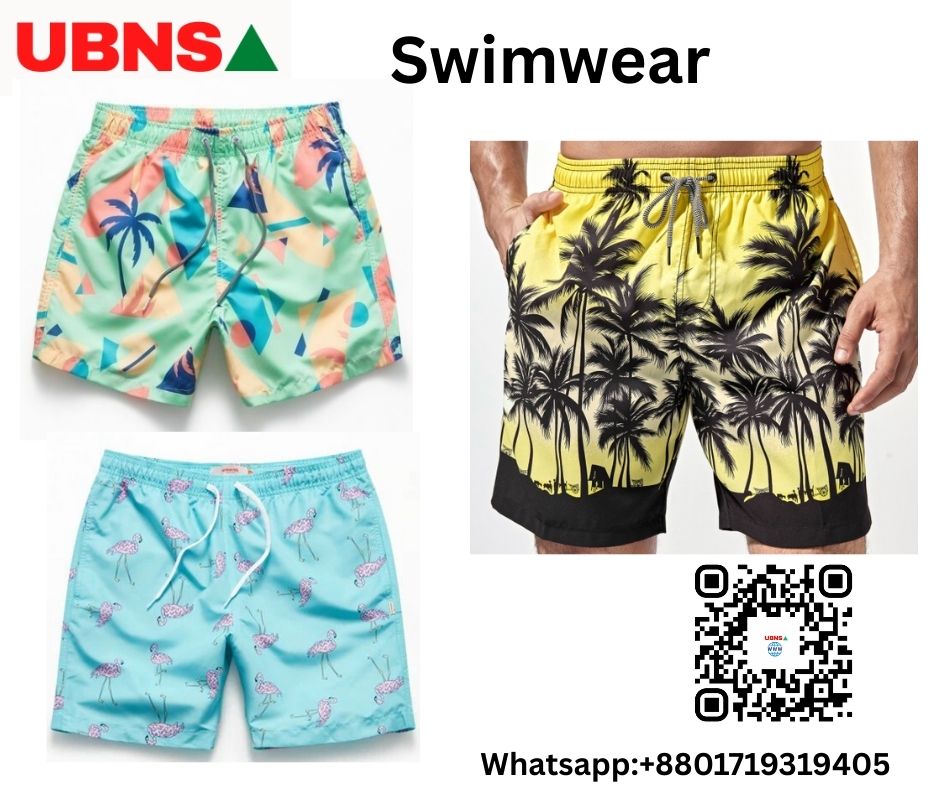
Fashion trends are rapidly changing & nowadays, swimwear demand is very fast. A lot of brand is selling the top quality products. New design, print & texture is moving fast. So it is difficult to find out which quality is best for you. The brand name can not give you the best quality. But here are some tips that help to find out excellent products.
1. The Fabric “Hand-Feel” and Composition
The fabric quality is the most important for the best quality swimwear
- Check the Label: Before buy look for a fabric blend of 80–90% Nylon (or Polyamide) and 10–20% Spandex (or Lycra/Elastane). Less than 10% spandex quality, which does not give you the best shape quickly.
- The Weight: The weight is the most important for high-quality fabric, which has a given dense, slightly heavy feel. The thin quality swimwear feels matched with a standard T-shirt. It will likely become transparent and saggy once wet.
- Speciality Fabrics: If you swim in pools or the seabeach often, it should be chlorine-resistant.
2. The “Stretch and Snap” Test
The snap test is the most important test for swimwear.
- Four-Way Stretch: The four-way stretch is more popular for swimwear. When you pull the fabric horizontally & vertically, then the stretch is the same way. The quality swimwear must stretch significantly like this.
- The Recovery: The stretch recovery is most important to stretch firmly and release it. It should snap back to its original shape instantly.
- The Sound: When you wear & stretch, listen closely. If you hear tiny “pops” or cracking sounds. The thread is breaking, or the elastic is dry-rotted. Put it back.
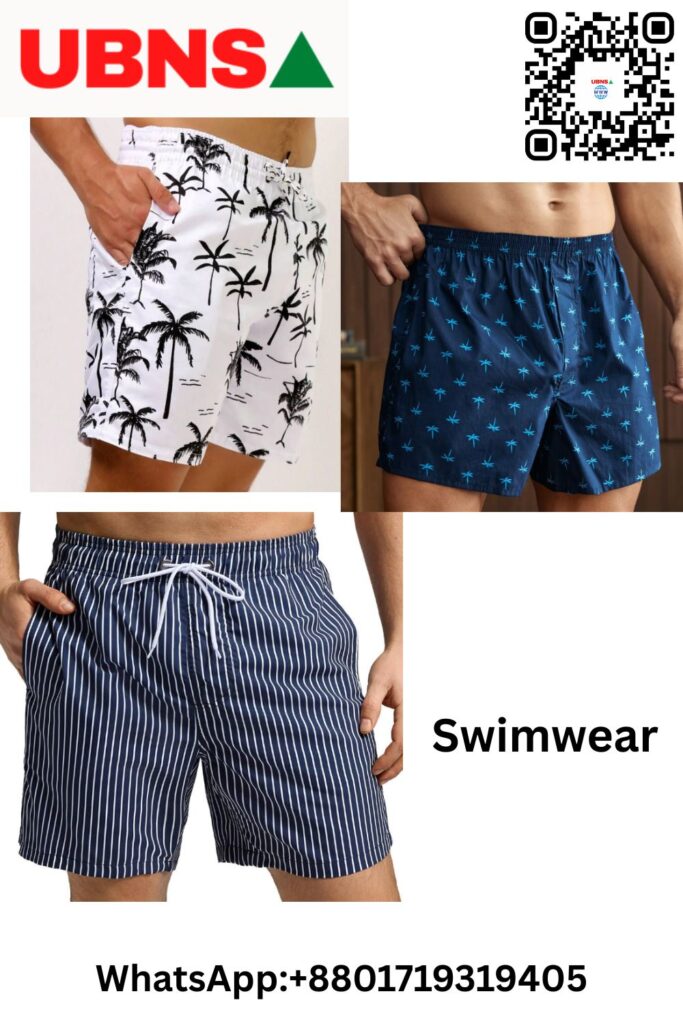
3. Inspect the Construction
The fabric construction is also important to give the actual swimwear feel.
- Full Lining: A high-quality suit is almost always fully lined (front and back). Cheap suits often only line the crotch or the front panel. Lining adds durability, prevents transparency, and helps the suit hold its shape.
- Stitch Density: This is one of the most important zigzag or overlock stitches. These are designed to stretch with the fabric. Count the stitches in an inch; they should be tight and consistent. If you see gaps or single-row straight stitches, the seams will likely burst under pressure.
- Flatlock Seams: The flatlock seams give you an extra soft feel when you wear it. This prevents chafing and is much stronger.
4. Hardware and Details
The use of trims is essential for a comfortable feel.
- Metal vs. Plastic: Look for metal clasps or adjusters, which are usually coated in enamel or gold-toned. These are far more durable than plastic ones, which can snap in the sun or under the heat of a dryer.
- Symmetry: Fold the suit in half vertically. The leg holes, straps, and patterns should align perfectly. If one side is even slightly longer than the other, it will fit awkwardly.
5. The Light Test (For Opacity)
Before buying & think that market lighting can be misleading.
- The Test: Hold the fabric up against a bright light or the sun. If you can clearly see the shape of your hand through both layers (fabric + lining), the suit will be see-through the moment it hits the water. A dense knit should block most of the light.
- Summary Quality Checklist
Feature
High Quality, Spandex %, 15% to 20%, Lining-Fully lined (Front & Back), Seams-Double-stitched or Flatlock, Hardware-Coated metal, Stretch-Snaps back instantly
Low Quality, Spandex %, 5% to 8%, Lining-Partially or not lined, Seams-Single-stitched, Hardware-Flimsy plastic, Stretch-Stays slightly stretched